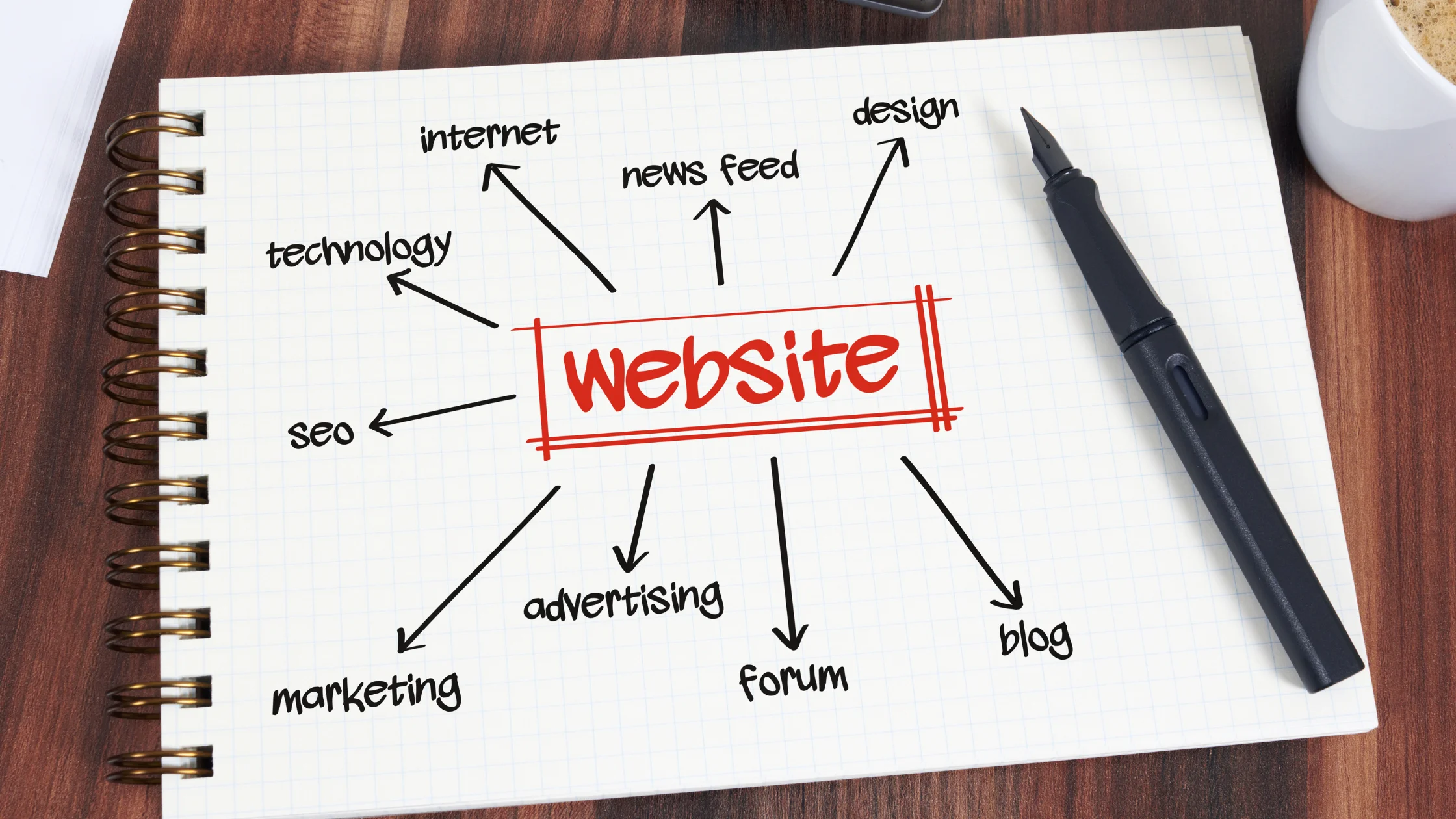

A dealership website is often the first conversation a business has with a potential customer. Before someone walks through the showroom doors or speaks with a sales representative, they have likely spent time comparing vehicles, researching financing, reading reviews, and deciding which dealership feels the most trustworthy. Those first few minutes online can shape the entire buying journey. A website that loads quickly, provides useful information, and makes every step simple encourages shoppers to stay engaged. One that feels outdated or difficult to navigate can send them to another dealership in seconds. For dealerships looking to increase leads and improve sales performance, building a high-converting website is no longer a nice addition to their marketing strategy. It is one of the most valuable business investments they can make.
The strongest dealership websites are built around the customer experience. Every page should answer questions, remove obstacles, and make it easy for visitors to take the next step. Shoppers are not searching for flashy animations or unnecessary features. They want accurate inventory information, transparent pricing, financing options, and clear ways to contact the dealership. When those essentials are presented in an organized and user-friendly way, visitors gain confidence and spend more time exploring the site. That extra engagement often becomes the difference between someone leaving the website and someone submitting a lead form or scheduling a test drive.
Create a Website That Makes Buying Simple
A high-converting dealership website begins with usability. Visitors should be able to move from page to page without confusion. The main navigation should clearly direct shoppers to new inventory, used vehicles, financing resources, trade-in information, service scheduling, and dealership contact details. Every click should feel natural and purposeful.
Speed also plays a major role in customer satisfaction. Modern shoppers expect websites to load almost immediately, especially on mobile devices. Slow pages create frustration and increase the likelihood that visitors will leave before viewing inventory or requesting additional information. Optimized images, reliable hosting, and streamlined website design all contribute to faster performance while improving the overall browsing experience.
Mobile responsiveness is equally important because many buyers begin researching vehicles from their phones. They may be comparing prices during a lunch break, browsing inventory after work, or looking for directions while already planning a dealership visit. Buttons should be easy to tap, menus should remain simple to navigate, and every page should display properly regardless of screen size. A mobile-friendly experience helps dealerships connect with customers at the exact moment they are ready to continue their buying journey.
Inventory pages deserve special attention because they are often the most frequently visited sections of a dealership website. High-quality photography from multiple angles gives buyers confidence in what they are viewing. Detailed descriptions should include key features, available technology, safety systems, mileage, pricing, and any important vehicle highlights. Filters that allow shoppers to search by make, model, price, body style, or features make the process much more efficient. The easier it is for someone to find the vehicle that matches their needs, the more likely they are to contact the dealership.
Lead forms should also respect the customer's time. Long forms requesting unnecessary information often discourage potential buyers from reaching out. Asking only for essential contact details keeps the process simple while opening the door for meaningful conversations. Live chat, text messaging, and click-to-call features also provide convenient communication options that fit different customer preferences.
Build Trust Through Every Interaction
Buying a vehicle represents a significant financial decision, so trust plays a central role throughout the online experience. A dealership website should consistently reinforce credibility by providing accurate information and maintaining transparency across every page.
Customer reviews offer one of the strongest trust signals available. Positive experiences shared by previous buyers help prospective customers feel more comfortable reaching out. Testimonials that highlight professionalism, communication, and customer service give visitors a clearer understanding of what they can expect throughout the buying process.
Clear pricing also contributes to trust. Hidden fees or incomplete information create unnecessary uncertainty that can discourage potential buyers. Presenting transparent pricing, financing information, available incentives, and payment estimation tools allows shoppers to make informed decisions without feeling pressured.
Finance resources continue that positive experience by answering common questions before customers visit the dealership. Online credit applications, payment calculators, and trade-in valuation tools help buyers understand their options while generating qualified leads. Customers appreciate having access to these resources because they provide greater confidence before speaking with the sales team.
Content also strengthens credibility. Helpful articles that explain financing, vehicle maintenance, trade-in preparation, or the buying process position the dealership as a reliable source of information instead of simply promoting inventory. Educational content demonstrates expertise while answering the questions buyers are already asking during their research.
Community involvement can further strengthen a dealership's reputation. Featuring local partnerships, sponsorships, charitable activities, or customer appreciation events helps visitors see that the business values relationships beyond vehicle sales. That local connection creates familiarity and strengthens long-term customer loyalty.
Turn Website Visitors Into Qualified Leads
Generating traffic is only one part of a successful digital strategy. The real objective is converting visitors into customers. Every page should encourage action without making the experience feel forced.
Strong calls to action guide visitors naturally through the buying process. Buttons inviting shoppers to schedule a test drive, request more information, value a trade, or begin financing should be easy to find throughout the website. Instead of waiting until the bottom of a page, opportunities to engage should appear wherever customers are most likely to have questions.
Search engine optimization also plays an important role in attracting qualified visitors. Many shoppers begin their vehicle search by looking for dealerships, inventory, or automotive services within their local area. Optimized page titles, descriptive vehicle listings, locally focused content, and technical website improvements all help increase visibility in search results. Higher visibility means more opportunities to connect with buyers who are actively searching for their next vehicle.
Local content also makes the website more relevant to nearby shoppers. Highlighting community events, seasonal driving tips, dealership news, or regional customer stories creates stronger connections while reinforcing the dealership's presence within its market. Customers often appreciate doing business with organizations that actively support the communities they serve.
Successful dealership websites also continue improving over time. Reviewing website analytics provides valuable insight into how visitors interact with different pages. Data such as page views, form submissions, inventory engagement, and visitor pathways help identify opportunities for refinement. Small improvements to navigation, page layouts, calls to action, or inventory presentation can lead to measurable increases in lead generation.
A high-converting dealership website is never the result of a single feature. It is created by combining fast performance, intuitive navigation, informative content, transparent communication, and strategic marketing into one seamless customer experience. Every improvement contributes to building trust, encouraging engagement, and making it easier for shoppers to move from online research to an in-person visit. As consumer expectations continue to evolve, dealerships that invest in delivering a better online experience position themselves for stronger lead generation, improved customer relationships, and long-term business growth.
If your dealership is ready to create a website that attracts more qualified shoppers and converts more visitors into customers, Star Performance Marketing has the experience and strategy to help make it happen. Our team specializes in dealership website optimization, digital advertising, search engine optimization, and lead generation solutions designed specifically for the automotive industry. Contact Star Performance Marketing today to learn how a high-converting dealership website can become one of your most valuable sales tools and support sustainable growth for your business.