

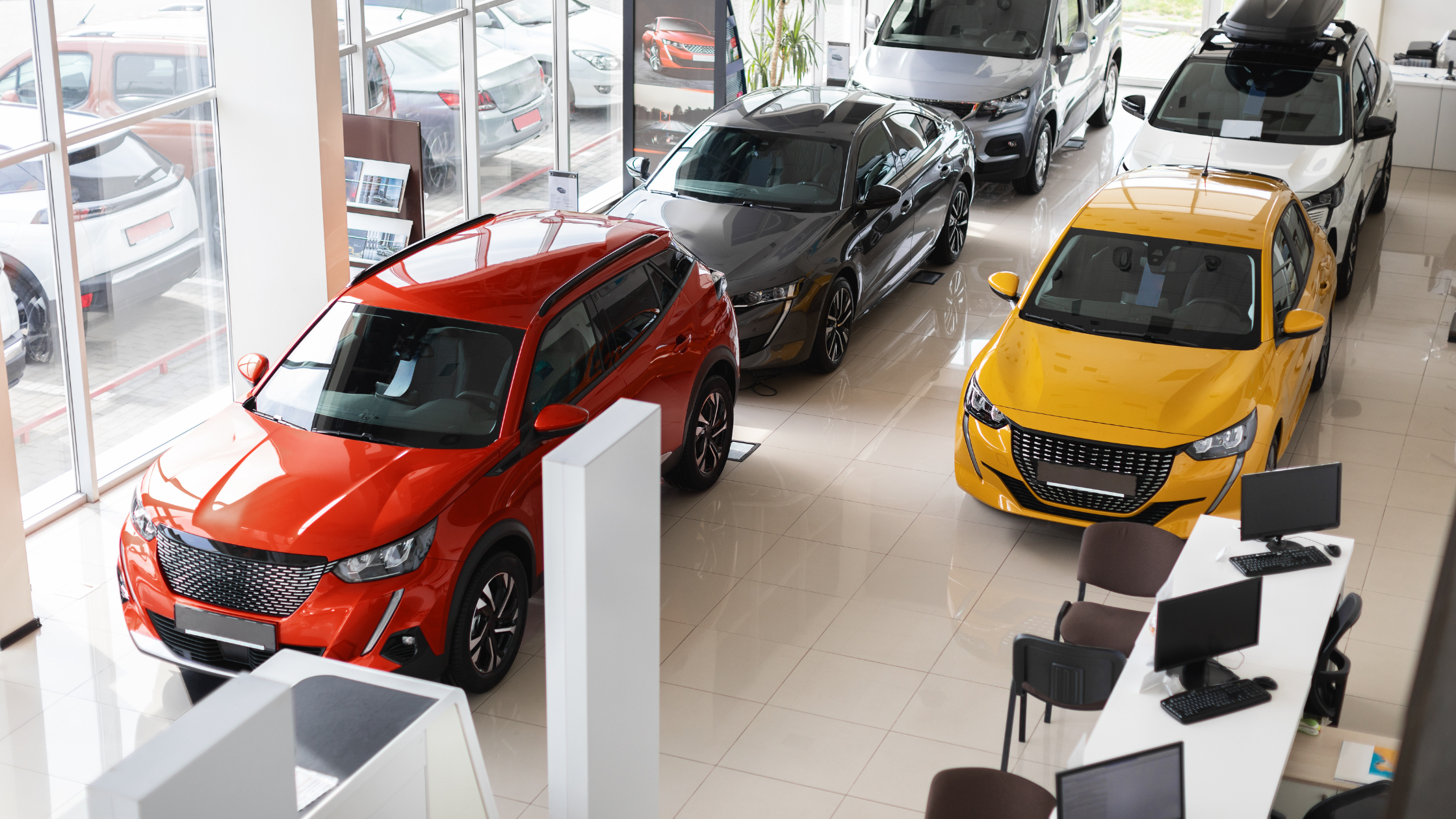

The automotive market gives buyers plenty of choices, often within the same city and at similar price points. Shoppers can compare vehicle inventory, financing options, customer reviews, and dealership offers online before deciding where to buy. For dealerships, attracting attention is only part of the challenge. They also need to give customers a compelling reason to remember their business and choose it over competitors. Strong branding helps establish that distinction by communicating what the dealership stands for, what customers can expect, and why its services deserve consideration. When several dealerships offer similar vehicles, a recognizable identity and consistent customer experience can make a meaningful difference in how buyers perceive the business.
Building a Distinct Identity in a Competitive Automotive Market
Dealership branding encompasses the visual identity, messaging, reputation, and customer experience associated with a business. Its logo and colors contribute to recognition, but the brand also takes shape through advertising, website content, social media, employee interactions, and the buying process itself. Every touchpoint influences how customers perceive the dealership.
A dealership specializing in affordable pre-owned vehicles might emphasize transparent pricing, practical vehicle choices, and helpful service. A luxury dealership might focus on personalized attention, product knowledge, and an elevated showroom experience. Both approaches can work when they reflect the business's actual strengths. The objective is to establish a clear identity that helps customers understand what distinguishes the dealership from other options in their market.
Inventory alone rarely provides a lasting competitive advantage. Dealerships often carry similar models, offer comparable financing arrangements, and compete through overlapping promotions. Discounts can generate interest, but competing businesses can introduce similar offers. A dealership that relies exclusively on price may struggle to establish a distinctive position.
Branding gives businesses another way to communicate value. Knowledgeable staff, convenient appointments, a carefully selected inventory, and straightforward communication can all contribute to a recognizable market position. These qualities give customers additional reasons to consider a dealership beyond its current promotions.
Understanding the target audience makes this positioning more effective. Families shopping for SUVs may prioritize passenger space, safety features, and affordability. Performance enthusiasts may focus on horsepower, handling, and vehicle specifications. Business owners looking for work trucks may place greater importance on towing capacity, durability, and operating costs.
These differences should influence how dealerships present their inventory and communicate with potential buyers. Relevant messaging addresses the questions customers already have, making advertisements and other marketing materials more useful. A clear audience also helps dealerships avoid generic campaigns that fail to communicate a compelling reason to choose their business.
A dealership's brand promise must reflect the experience it can deliver. Businesses that emphasize transparent pricing should communicate costs clearly. Those promoting convenience should make inventory browsing, appointment scheduling, and customer follow-up straightforward. When advertising promises a particular experience but actual interactions fall short, customer confidence can suffer. Effective branding connects marketing messages with daily business practices, making the dealership's identity credible and consistent.
Strengthening Brand Recognition Across Digital Channels
Many automotive shoppers encounter a dealership online before visiting in person. They may discover the business through a search engine, see a social media advertisement, browse its inventory, and read customer reviews before making contact. Consistent branding across these channels helps connect each interaction and makes the dealership easier to recognize.
The dealership website plays a central role in this process. Customers use it to compare vehicles, review specifications, check availability, and find contact information. Clear navigation, accurate listings, useful photographs, and accessible contact details help visitors find what they need without unnecessary frustration. The website's design and messaging should also reflect the dealership's established identity.
Outdated inventory, broken links, and confusing navigation can weaken the impression created by advertising. A professional website supports brand credibility while giving potential buyers a practical way to move from research to an inquiry or showroom appointment.
Search engine optimization helps dealerships reach people actively looking for vehicles and automotive services. Relevant website content, accurate business listings, and consistent location information can support local visibility. However, appearing in search results is only the beginning. Once potential buyers find the dealership, they need clear information and a reason to consider its offerings. A recognizable brand helps connect online discovery with customer interest.
Social media provides another opportunity to build familiarity. Repeatedly posting vehicle photos and promotional offers can make a dealership's content resemble that of every competitor. Useful content gives shoppers a better reason to engage.
Vehicle walkaround videos, model comparisons, feature explanations, staff introductions, and answers to common financing questions can help customers make informed decisions. These posts also demonstrate the dealership's expertise and approach to customer service. A dealership that wants to be known for knowledgeable guidance should create content that demonstrates that knowledge rather than relying on promotional claims.
Paid advertising benefits from the same consistency. Search ads, social media campaigns, and display advertisements can promote specific vehicles, sales events, and dealership services. Clear messaging, recognizable visual elements, and accurate offers help customers understand what the business is advertising.
The landing page should continue the message presented in the advertisement. If a campaign promotes a particular SUV, visitors should be able to find the vehicle or relevant inventory quickly. When advertisements and destination pages communicate different messages, the experience becomes confusing. Aligning campaign creative with website content creates a clearer path from initial interest to an inquiry or appointment request.
Turning Customer Trust Into Long-Term Growth
Customer reviews influence how shoppers evaluate dealerships, particularly when comparing businesses with similar inventory. Reviews can provide insight into communication, service quality, and the buying experience. Dealerships cannot control every customer's opinion, but they can respond professionally, invite feedback, and address recurring concerns.
A thoughtful response demonstrates a willingness to listen. Repeated complaints about unanswered inquiries or unclear communication can also reveal operational problems that need attention. Treating feedback as an opportunity to improve service helps ensure that the dealership's reputation reflects its actual performance.
The showroom experience must support the expectations established through marketing. Customers notice how staff answer questions, explain vehicle features, discuss pricing, and guide them through the purchasing process. Organized displays and clear communication contribute to a professional experience, while high-pressure sales tactics or inconsistent information can damage confidence.
Employees across sales, service, and business development also influence the brand. Training and clear communication standards help teams represent the dealership consistently across phone calls, emails, text messages, and in-person interactions. Customers should receive accurate information and professional assistance regardless of which department they contact.
Branding can also support customer retention. Vehicle owners may return to the same dealership for maintenance, repairs, trade-ins, and future purchases. Service reminders, relevant ownership information, and appropriate follow-up messages help maintain these relationships. Communications should provide genuine value rather than repeatedly pushing sales offers. A dealership that remains helpful after a transaction gives customers a reason to keep it in mind for future automotive needs.
Measuring performance helps businesses understand whether their branding and marketing efforts support their goals. Website traffic, branded search activity, social media engagement, customer reviews, qualified inquiries, appointment requests, and repeat business can all provide useful information.
These indicators should be evaluated alongside sales results, inventory availability, advertising expenditure, and market conditions. Increased engagement does not automatically produce more vehicle sales, so dealerships should assess several metrics over time. Clear objectives make it easier to identify effective campaigns, improve weak areas, and allocate marketing resources responsibly.
Dealership branding should also adapt as customer expectations and digital marketing practices change. Updating website content, improving vehicle presentations, and refining advertising messages can keep a business relevant without abandoning its established identity. Decisions should be guided by customer feedback, business goals, and a clear understanding of the dealership's strengths.
A strong dealership brand gives customers a reason to remember the business, understand its value, and consider it when making their next vehicle purchase. Consistent messaging, useful digital content, reliable customer service, and measurable marketing strategies work together to establish that distinction. Contact Star Performance Marketing and discuss how a focused automotive marketing strategy can help your dealership strengthen its brand and stand out in a competitive market.
Contact Us


