
Car dealerships operate in a marketplace that evolves quickly, and marketing teams often feel that they are adjusting as fast as possible even when small gaps begin to affect performance. These gaps rarely show up as dramatic failures. They tend to appear quietly through habits that once felt effective but no longer match how buyers move through the research and decision process. When results start to flatten or decline, the problem is often rooted in common missteps that have settled into the dealership’s routine without drawing much attention. The dealerships that take the time to examine their approach with curiosity and clarity discover that these mistakes can be corrected with practical improvements that create stronger engagement and more predictable outcomes. The following sections break down the five most frequent issues and explain how each one can be addressed in a productive and sustainable way.
Misaligned Targeting and Ineffective Message Strategy
The first mistake begins with campaigns that are built around pushing inventory rather than understanding the stage each shopper is in. Many dealerships create ads that focus exclusively on specific models or pricing. Although there is value in showcasing available inventory, the issue arises when dealerships assume that every shopper who sees the ad is prepared to move forward. Some visitors are comparing brands. Others are trying to determine which features matter to them. A smaller portion is ready to schedule a test drive or submit a credit application. When a dealership presents the same message to all of these audiences, the result is a high volume of impressions that do little to influence outcomes.
Fixing this starts with mapping the customer journey more thoughtfully. Early-stage shoppers tend to respond well to messages that help them understand how a vehicle fits their lifestyle or how a particular model solves a common need. Mid-stage shoppers benefit from clear explanations of trim differences, technology features, fuel economy details, or equipment packages. Those who have shown repeated interest in specific vehicles need clear next steps that make action easy. Dealerships that use audience segmentation, retargeting behavior, and intent signals create a message path that feels natural to the shopper. When the message reflects the shopper’s level of readiness, engagement increases and marketing spend becomes more productive.
Weak Website Experience That Limits Conversion Flow
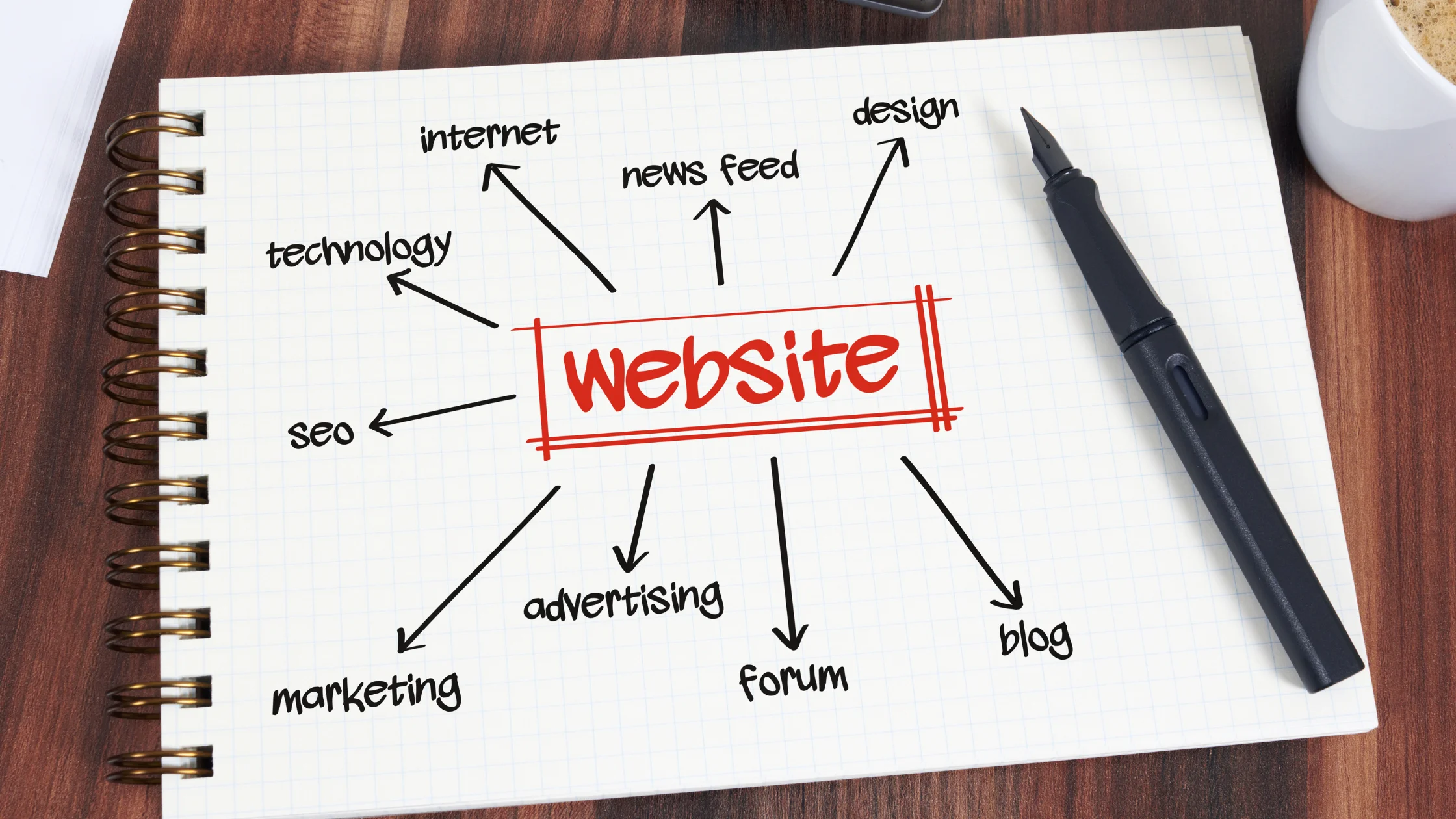
The second mistake appears on the dealership website, even when it looks modern at first glance. Many websites suffer from slow performance, hard-to-navigate menus, outdated inventory photos, or unclear vehicle descriptions. These issues disrupt the experience at moments when the shopper is searching for clarity and reassurance. A dealership’s website functions as the digital version of a showroom. It should welcome visitors, simplify their search, and present information in a way that creates confidence.
To correct this issue, dealerships must treat their website as an active selling environment. Improving mobile performance should be one of the first steps, because a significant portion of automotive research takes place on phones. Streamlined navigation, fast filtering, and organized search results allow visitors to browse inventory without friction. High-quality merchandising photos, accurate feature descriptions, and clean page layouts help the shopper form a clear impression of each vehicle. Tools such as soft credit checks, payment calculators, trade value estimators, and appointment scheduling reduce hesitation by giving shoppers immediate access to resources that support their decision process. When the website reflects professionalism, clarity, and ease of use, the dealership gains more leads without relying strictly on higher ad spending.
Underdeveloped CRM Follow-Up and Inconsistent Brand Identity
The third mistake hides inside the CRM, where strong lead generation often loses momentum due to inconsistent follow-up. Many dealerships face challenges with delayed responses, templated messages that do not feel personal, or communication patterns that do not align with the shopper’s preferred contact method. When a lead sits too long without acknowledgment or receives a message that feels unrelated to their interest, the trust required for a smooth sales experience begins to fade. A strong CRM process plays a larger role in marketing success than many teams realize.
To fix this problem, dealerships should create a follow-up structure that blends speed, clarity, and personalization. New leads should receive immediate confirmation that their inquiry has been received. That confirmation should set expectations for the next touch, which helps the shopper feel supported rather than ignored. After that initial message, communication should reflect the shopper’s needs based on CRM insights. If a visitor spent time on specific inventory pages, the follow-up should reference those vehicles. If they contacted the store through a form on a service page, the message should address that directly. Sales teams benefit from clear guidelines for timing, tone, and information flow. Managers should monitor CRM activity to ensure the process remains consistent across the team. When follow-up becomes disciplined and personalized, lead quality improves without requiring a higher number of inquiries.
Alongside CRM refinement, dealerships must strengthen their brand identity. Many stores rely heavily on short-term promotions but do not develop a consistent message that communicates what sets them apart. Buyers look at multiple platforms before choosing a dealership, and they respond strongly to brands that express a clear sense of service, expertise, and culture. This identity should be visible in website content, social media posts, digital ads, customer testimonials, and videos. When the car dealership communicates with consistency, shoppers understand what kind of experience they can expect before they ever step into the store. That clarity builds trust and supports long-term retention.
If your dealership is ready to strengthen its marketing foundation and create a strategy that generates higher quality leads, improves digital engagement, and supports sustainable growth, this is the right moment to take action. Schedule a discovery call with Star Performance Marketing to learn how a tailored plan can enhance your dealership and help you build a digital presence that performs with consistency and purpose.